The Remise Boom: Why These Unique Buildings Are Redefining Urban Living
In the labyrinthine heart of many European cities, particularly those with a rich historical tapestry, a fascinating architectural renaissance is underway. Once relegated to the back of properties, serving utilitarian purposes, a distinctive type of building known as the Remise is experiencing an unprecedented surge in popularity. These charming, often secluded structures are no longer mere relics of the past; they are being meticulously transformed into highly sought-after residences, offering a unique blend of history, privacy, and character. For those seeking distinctive urban homes, the question "Was Ist Eine Remise Wohnung?" has become a key inquiry, signaling a desire for something beyond the conventional apartment block.
Understanding the Remise: A Journey Through Time
To truly appreciate the modern appeal of a Remise, one must delve into its origins. The term "Remise" itself offers a clue, deriving from the French verb "remettre," meaning "to put back" or "to store." While less common in contemporary German usage compared to Austrian and Swiss-German dialects, it occasionally surfaces in property listings, hinting at its historical significance. Essentially, a Remise is an antiquated term for an ancillary building, typically situated at the rear of a plot and historically serving economic functions. It was, by definition, a service building, tucked away from the main street frontage.
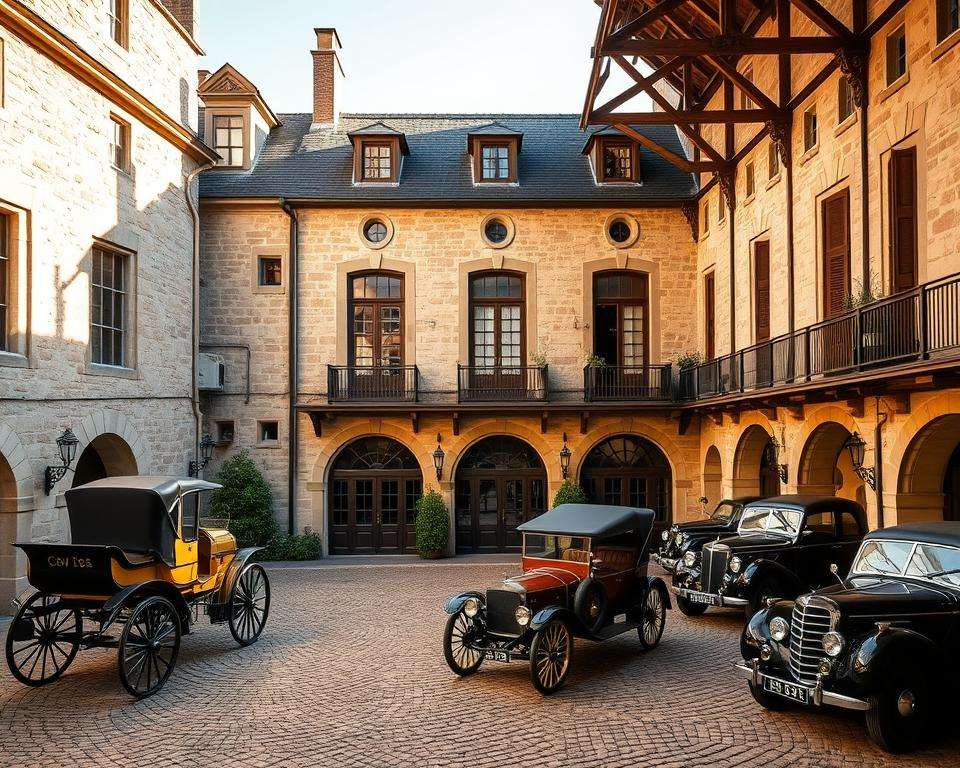
In its earliest form, dating back to the 19th century, the Remise emerged as a specific architectural type designed as a commercial structure within large, urban rental property compounds. Its primary role was to provide shelter for horses and carriages, protecting these valuable assets from the elements. As the Industrial Age dawned, the function of the Remise evolved. It became a practical space for storing vehicles of all kinds – from wagons and buses to locomotives and railway carriages – safeguarding entire fleets. These buildings often featured intriguing design elements, such as a second gate directly opposite the main entrance, allowing carriages to drive straight through, drop off passengers under cover, and exit without needing to turn around. Beyond mere storage, many Remisen also housed modest living quarters, often just a single room or "Stube," for coachmen, saddlers, or stable hands. The presence of chimneys, intended for smithing purposes, further indicates the diverse activities that took place within these versatile structures, sometimes even including the keeping of horses. This historical versatility lays the groundwork for understanding
What is a Remise Apartment? History, Purpose & Modern Appeal in its modern context.
From Utility to Urban Oasis: The Modern Remise Transformation
The trajectory of the Remise began to shift dramatically with changing urban regulations and societal needs. Modern zoning laws increasingly prohibit emission-heavy commercial operations on properties primarily designated for residential use. This legislative evolution, coupled with the decline of horse-drawn transport and industrial activities within city centers, necessitated a fundamental repurposing of these robust ancillary buildings.
Today, Remisen have found new leases on life in a multitude of forms. Some have been creatively transformed into cultural venues, vibrant restaurants, or unique commercial spaces. However, it is their conversion into residential dwellings – the fabled Remise Wohnung – that truly captures the imagination of urban dwellers. These unique buildings, once workshops or forgotten storage units, are now being meticulously renovated into stylish and highly desirable homes. Consider, for instance, a two-story, narrow building nestled in the backyard of a Gründerzeit block in Berlin-Oberschöneweide. Once a forgotten workshop, it has been reborn as a representative living space, with separate units on the ground and upper floors. Such transformations often require significant architectural ingenuity, from the installation of new floor slabs for the ground level to the construction of a steel terrace for upper-floor access. The existing masonry, often featuring charming brickwork, plaster facades, and decorative clinker elements, is painstakingly preserved and restored, maintaining the building's authentic character while simultaneously improving its energy balance. This intricate process highlights the journey
From Workshop to Dwelling: The Transformation of a Remise Apartment.
The allure of a Remise Wohnung lies in its inherent distinctiveness. These homes offer a tranquil retreat from the urban bustle, hidden away in courtyards and shielded from street noise, yet remaining firmly embedded within the city's fabric. Their unique architectural elements, sense of history, and potential for unconventional, open-plan layouts make them incredibly appealing to those who prioritize character and individuality in their living spaces. For many, discovering "Was ist eine Remise Wohnung" means finding a hidden gem that combines the best of both worlds: urban connectivity with secluded serenity.
The Allure of Remise Living: Advantages and Considerations
The growing interest in Remise apartments is driven by a host of compelling advantages, but like any unique property, they come with their own set of considerations.
Key Advantages of a Remise Apartment:
*
Unrivaled Privacy: Tucked away in courtyards, Remise homes offer a level of seclusion rarely found in typical urban apartments, shielding residents from street noise and curious passersby.
*
Unique Character & History: Each Remise tells a story, with its original purpose often reflected in its architectural details. This imbues the home with a distinct character and charm that modern constructions simply cannot replicate.
*
Quiet & Serene Environment: Being set back from the main street, Remisen provide a peaceful sanctuary amidst the city's hustle and bustle, fostering a sense of calm.
*
Flexible Layouts: Often free from the rigid structures of traditional multi-story buildings, Remisen can offer more adaptable and creative interior layouts, appealing to those who value bespoke living spaces.
*
Potential for Outdoor Space: Many Remisen come with access to private courtyards or small garden areas, a highly coveted feature in dense urban environments.
*
Sustainable Living: The adaptive reuse of existing structures is an inherently sustainable practice, reducing construction waste and the carbon footprint associated with new builds.
*
Investment Value: Their unique appeal and scarcity make Remise apartments a sound investment, with demand steadily rising among discerning buyers.
Important Considerations for Prospective Buyers/Renters:
*
Renovation Costs: Converting a historic utility building often requires significant investment in structural repairs, energy efficiency upgrades (insulation, windows), and the installation of modern amenities and services.
*
Natural Light: Depending on their location within the courtyard and the proximity of surrounding buildings, some Remisen might receive less natural light than street-facing apartments.
*
Access Challenges: Moving furniture or receiving deliveries can sometimes be more challenging due to their rear-yard location and potentially narrower access points.
*
Navigating Regulations: Obtaining necessary permits for conversion can be complex, requiring careful adherence to local zoning laws and building codes.
*
Energy Efficiency: Older buildings typically require substantial upgrades to meet modern energy standards, which should be factored into the budget.
For those contemplating a Remise, practical advice includes a thorough inspection by structural engineers and architects to assess the building's integrity. It's crucial to evaluate natural light sources and understand the renovation scope and budget. Engaging local experts who specialize in historic renovations can smooth the process and ensure the building's character is preserved while meeting modern living requirements.
The Remise Boom: Redefining Urban Living
The "Remise boom" is more than just a passing trend; it signifies a deeper shift in urban living preferences. As city centers become increasingly dense, and the demand for unique, character-filled homes grows, these repurposed historical buildings offer an ideal solution. They provide an antidote to the perceived anonymity of modern apartment blocks, delivering a sense of place, history, and individuality that resonates with a discerning clientele.
A Remise Wohnung stands as a testament to sustainable urban development, showcasing how forgotten spaces can be reimagined and revitalized to meet contemporary needs. They embody a desire for authenticity, providing a quiet retreat where residents can enjoy the vibrancy of city life from a distinct, private vantage point. This blend of old-world charm and modern functionality is not just redefining what an urban home can be, but also contributing to the rich, diverse, and sustainable tapestry of our cities.
In conclusion, the journey of the Remise from humble utility building to coveted urban dwelling is a remarkable story of adaptation and appreciation. Understanding "Was Ist Eine Remise Wohnung" today means recognizing a unique architectural gem that offers privacy, character, and a sustainable approach to urban living. As cities continue to evolve, these distinctive buildings will undoubtedly remain at the forefront of innovative and desirable housing solutions, enriching urban landscapes one renovated Remise at a time.